Extended Troll-Bottom-Troll Coastal Grand Slam
 Orange Beach, AL
What you will be catching:
 Cobia
 Gag Grouper
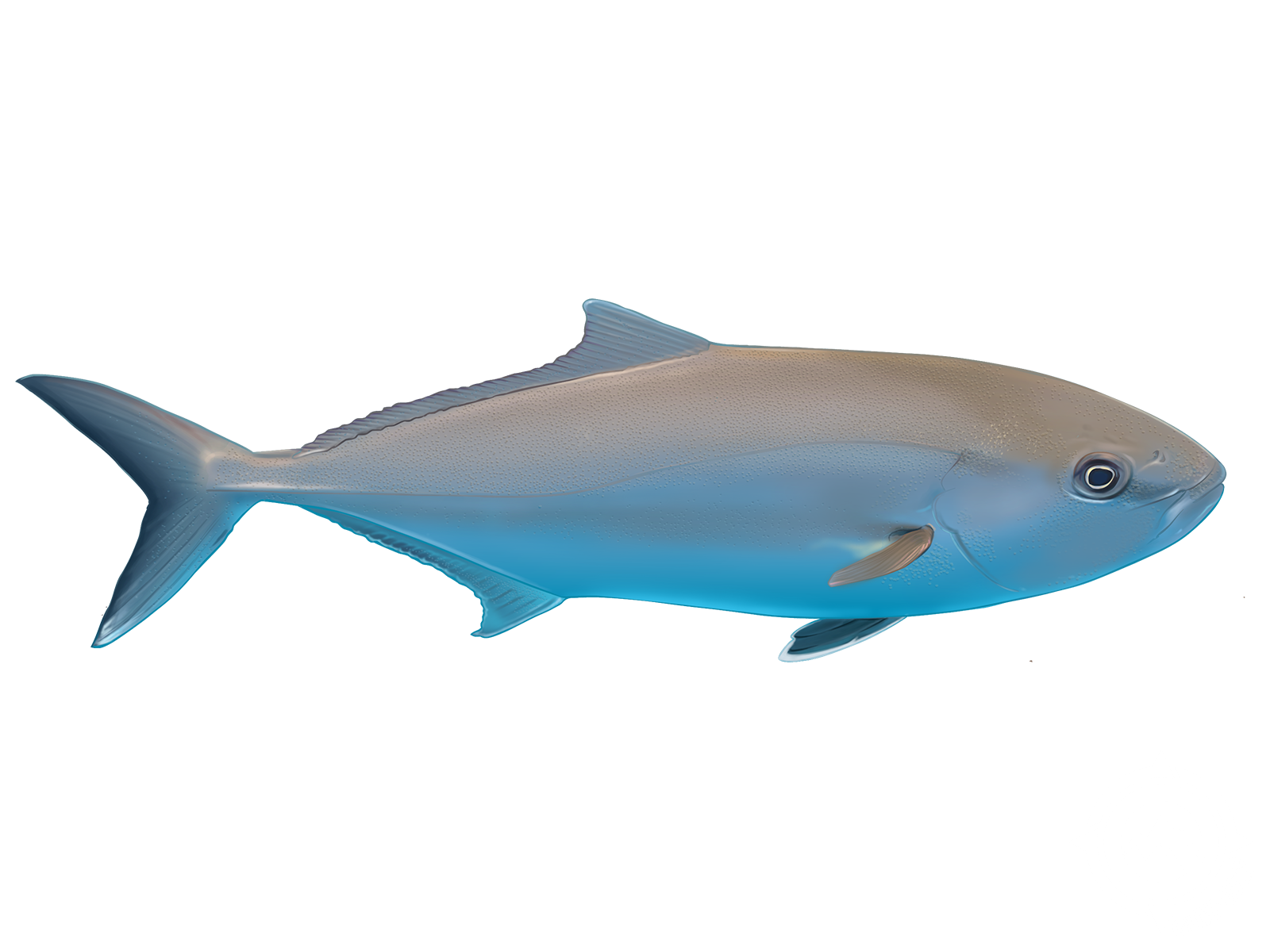 Greater Amberjack
 King Mackerel
 Red Grouper
 Red Snapper
 Spanish Mackerel
- Six-hour troll-bottom-troll technique targeting multiple species depths
- Surface trolling for mackerel and bottom fishing for snapper
- Complete tackle and bait provided for up to six guests
Trip Pricing and Availabilities:
Extended Troll-Bottom-Troll Coastal Grand Slam
When you want to hit every depth and chase every fish that swims in these waters, Captain Mike's six-hour grand slam trip is your ticket to non-stop action. This isn't your typical half-day run where you pick one style and stick with it. We're talking about a legitimate fishing marathon that covers surface pelagics, deep reef monsters, and everything cruising in between. You'll start trolling the moment we clear the slip and keep lines wet until we tie back up at the dock. With room for up to six anglers, this top-rated charter gives your crew the full coastal experience without cutting corners on technique or target species.
What to Expect on the Water
Captain Mike's troll-bottom-troll system maximizes every minute of your six hours by constantly adapting to what's biting and where. We kick things off running surface spreads along the coast, dragging spoons and diving plugs through Spanish Mackerel schools and prowling King Mackerel. The scenic run to our offshore structure gives you time to get dialed in on the lighter tackle while enjoying the coastal views. Once we hit our bottom spots, it's time to break out the heavy artillery for Red Snapper, Grouper, and whatever else is holding on the structure. After loading the fish box with reef dwellers, we reset the trolling spread for the ride home, giving you another shot at pelagics that might have moved in during the afternoon. Captain Mike handles all the tackle rigging and bait prep, so your crew can focus on fighting fish instead of tying knots.
Techniques & Tackle Setup
The beauty of this trip lies in how smoothly we transition between completely different fishing styles. Surface trolling means running a spread of four to six lines at varying depths, using everything from wire line for deep divers to flat lines for surface swimmers. We adjust speed and lure selection based on water temperature, bait activity, and what's marking on the fish finder. When we switch to bottom fishing, we're talking about serious tackle – heavy conventional reels spooled with 50-80 pound test, circle hooks, and enough weight to punch through current and reach structure 60-100 feet down. Captain Mike provides all the gear, from the trolling rods right down to the bottom rigs, and he's constantly adjusting presentations based on what the fish are telling us. The deck setup allows for quick transitions, so we're never burning daylight switching from one technique to another.
Top Catches This Season
Red Snapper remain the backbone of our bottom fishing, with most fish running 15-25 pounds and putting up fights that'll test your back muscles. These reef dwellers hit hard and dive straight for structure, making every hookup a legitimate battle. Peak season runs late spring through early fall, when they're stacked up on ledges and artificial reefs. Gag Grouper and Red Grouper offer different challenges – Gags tend to be more aggressive but crafty around cover, while Red Grouper often surprise you with their size when they finally commit to the bait. Greater Amberjack are the bulldogs of the bottom, often exceeding 40 pounds and testing both your drag system and your endurance. Spanish Mackerel provide consistent action on the surface, especially during their spring and fall migrations when schools stretch for miles along the coast. King Mackerel are the wildcards – when they're here, they hit trolled baits with explosive strikes that'll wake up anyone dozing in the fighting chair. Cobia cruise both the bottom structure and mid-water column, making them catchable on both bottom rigs and trolled presentations, with most fish ranging 20-40 pounds and known for their stubborn, bulldogging fights.
Time to Book Your Spot
This world-class grand slam experience books up fast, especially during peak seasons when multiple species are firing at the same time. Captain Mike's proven troll-bottom-troll routine has become a customer favorite because it delivers variety and action that keeps everyone engaged for the full six hours. Whether you're an experienced angler looking to test different techniques or a group wanting to maximize your chances at multiple species, this trip covers more water and targets more fish than any standard charter. The comprehensive approach means you're never stuck waiting for one bite pattern to turn on – if the bottom's slow, we're already rigging trolling lines, and if the surface action dies, we know exactly where to drop for reef fish. Book now to secure your dates and experience the best trip Captain Mike's Sure Shot Fishing Charters has to offer.
Learn more about the species
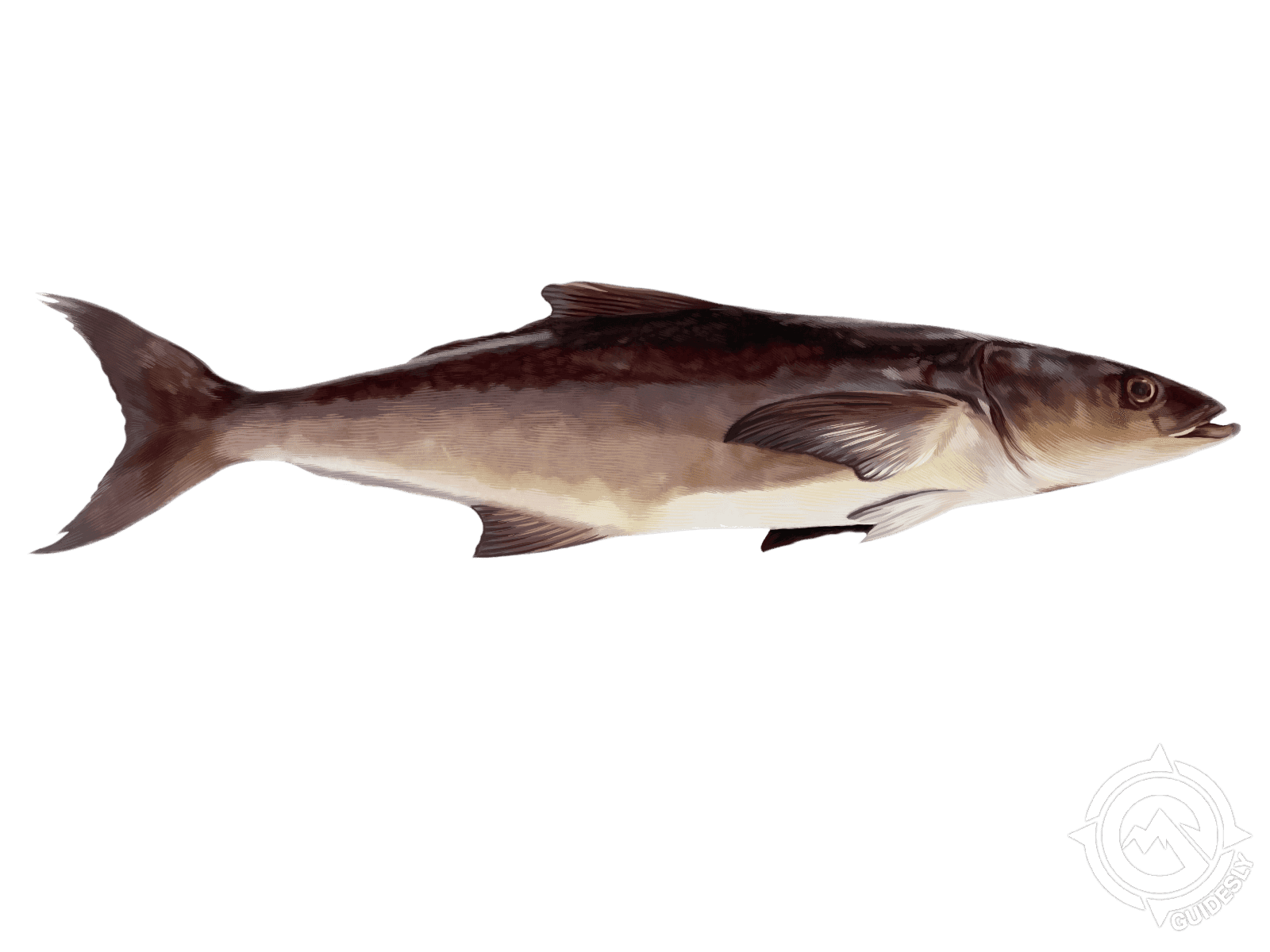
Cobia
Cobia are one of the most unique fish you'll encounter on these trips - they're often mistaken for sharks because of their dark brown color and single dorsal fin. These solitary hunters average around 6 feet and 100 pounds, making them a serious catch. You'll find them cruising around reefs, wrecks, and any offshore structure in 30-300 feet of water. Spring and summer are prime time when they're more active in warmer water. What makes cobia special is their fight - they're aggressive predators that'll give you a real battle, plus they're excellent eating with firm, flaky meat. My tip: when you spot one, keep your bait moving naturally. They're curious fish and will often circle the boat, so be patient and make your presentation count.
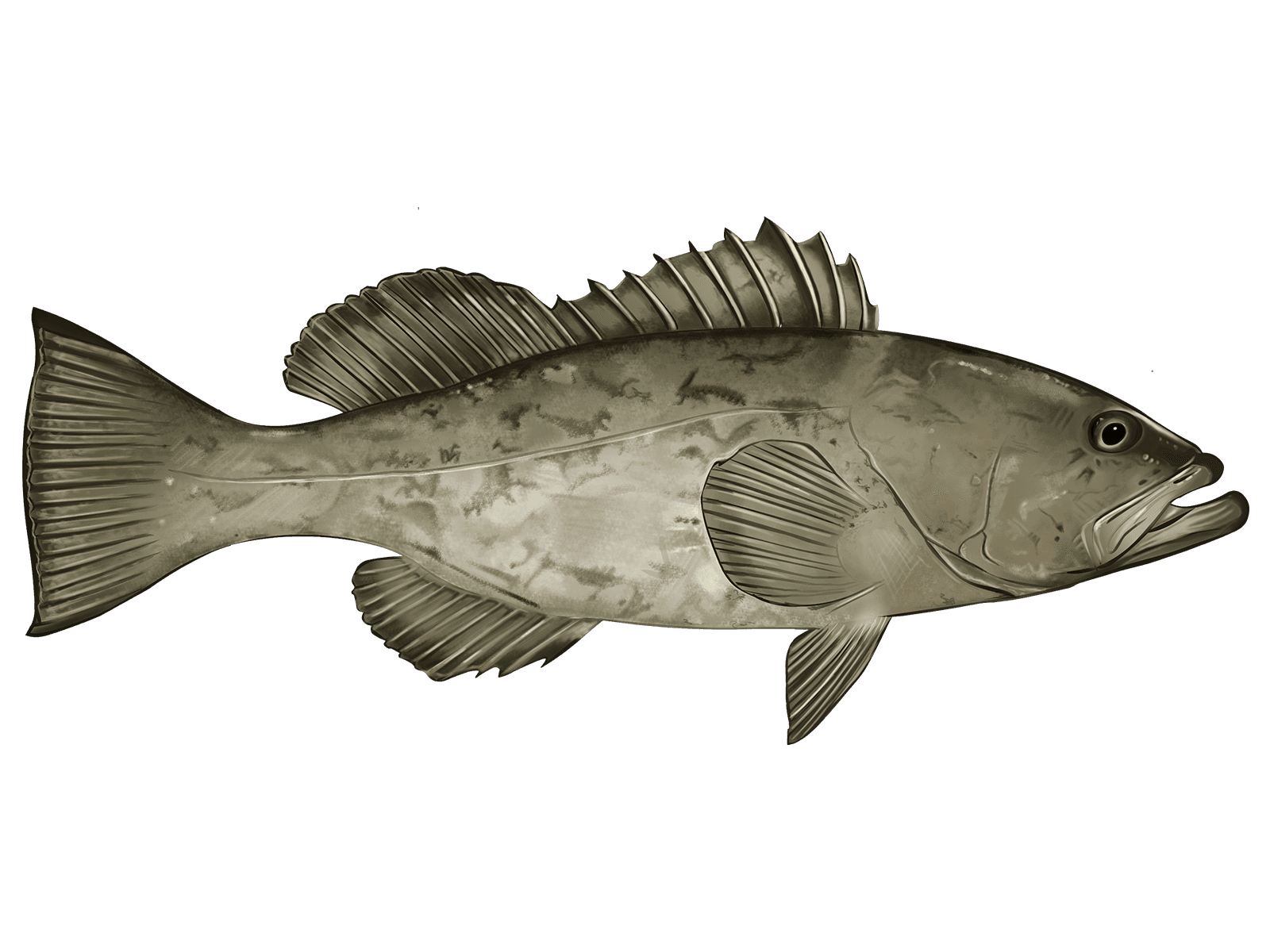
Gag Grouper
Gag grouper are the gray ghosts of the reef - not the prettiest fish, but they're tough fighters that love to test your gear. Most run around 20 inches, but the big males can hit 50+ pounds and show darker coloring than the lighter females. They stick to rocky bottoms, reefs, and wrecks, with juveniles closer to shore and adults further out in deeper structure. Spring through fall gives you the best shot at them when they're actively feeding. What makes gags special is their bulldogging fight - they'll try to drag you straight back to the rocks. The meat is excellent, firm and white. Here's what I tell everyone: once you hook a gag, lock that drag down and don't let them get their head turned. Keep your rod low and winch them up fast, or they'll wrap you around the nearest ledge.
Greater Amberjack
Greater amberjack are the bullies of the deep - these bluish-gray bruisers with the distinctive amber stripe will absolutely test your arms and your drag. They average around 39 pounds but can push 6 feet and give you a fight you won't forget. Look for them around deep structure, wrecks, and reefs where they patrol for smaller fish and squid. Spring spawning season in April-May is prime time, but they're catchable year-round in deeper water. What guests love is the raw power - amberjack fight dirty and never give up, making long runs and bulldog pulls. The meat is good eating when prepared right. My tip: bring heavy tackle and be ready for a war. Once hooked, they'll sound straight down, so pump and wind technique is key. Don't rush the fight or they'll break you off.
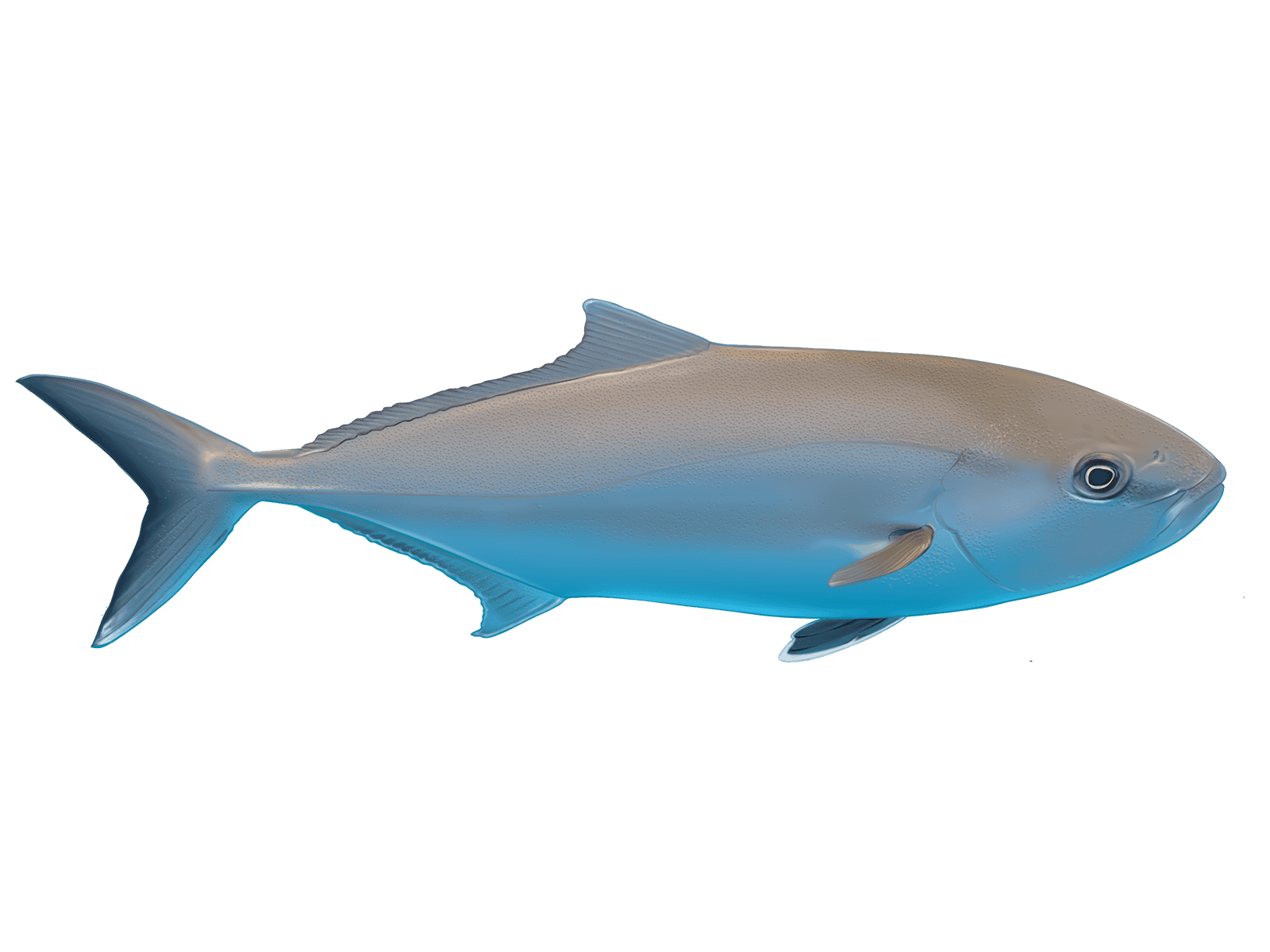
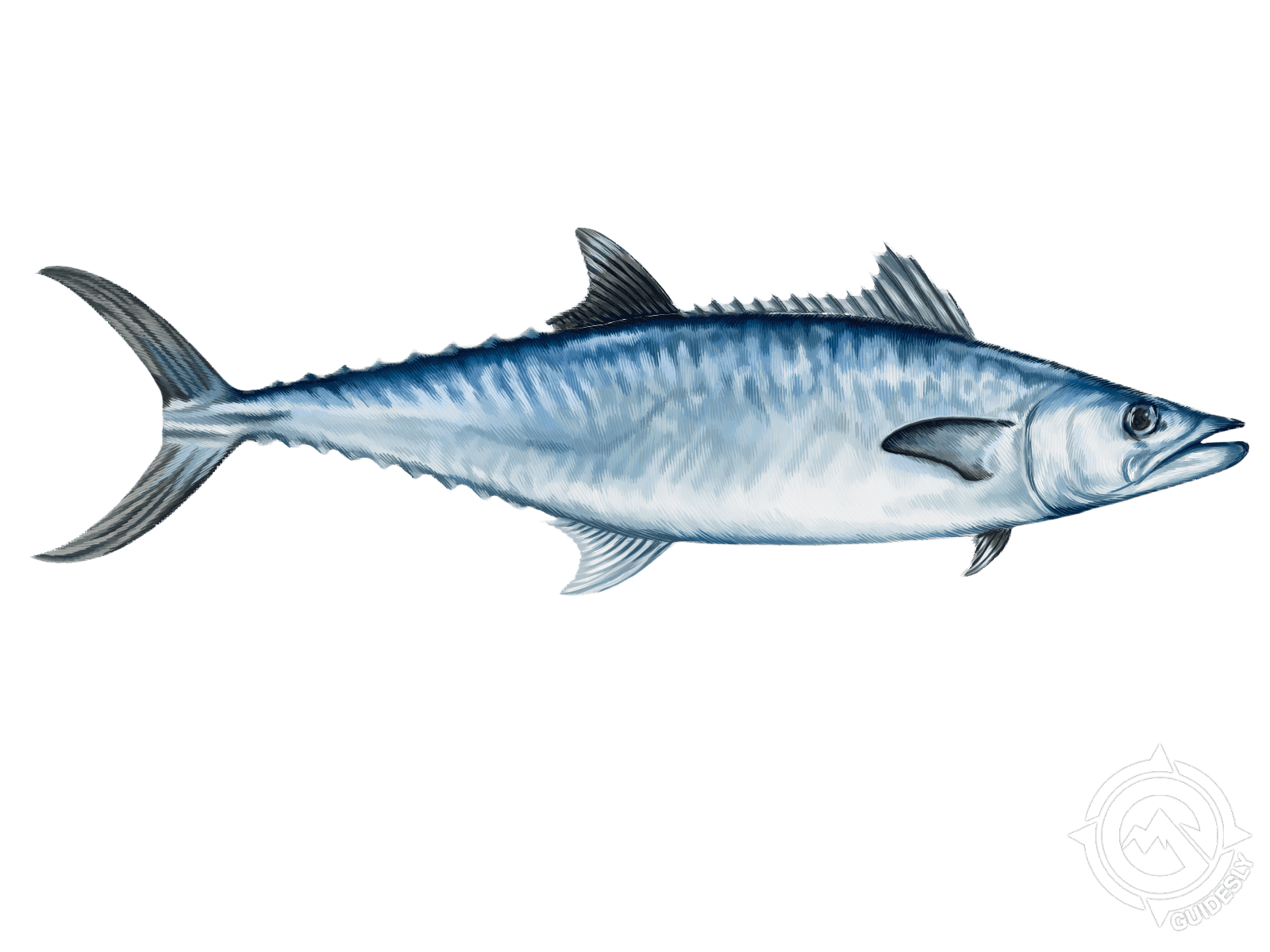
King Mackerel
King mackerel are the speed demons that'll test your tackle and your nerves - these olive and silver torpedoes can hit 30+ pounds and run like nothing else in the ocean. They cruise 40-150 feet of water along temperature breaks and structure, following baitfish schools. Spring through fall are peak months when they're actively feeding and migrating along the coast. What makes kings exciting is their blistering runs and aerial shows - when one hits your trolled bait, hang on tight. They're also quality eating despite some mercury concerns in larger fish. Here's my secret: rig your live bait with two hooks on a wire leader - one through the nose and a treble near the tail. Kings love to bite the back half of the bait, so that second hook saves a lot of missed fish.
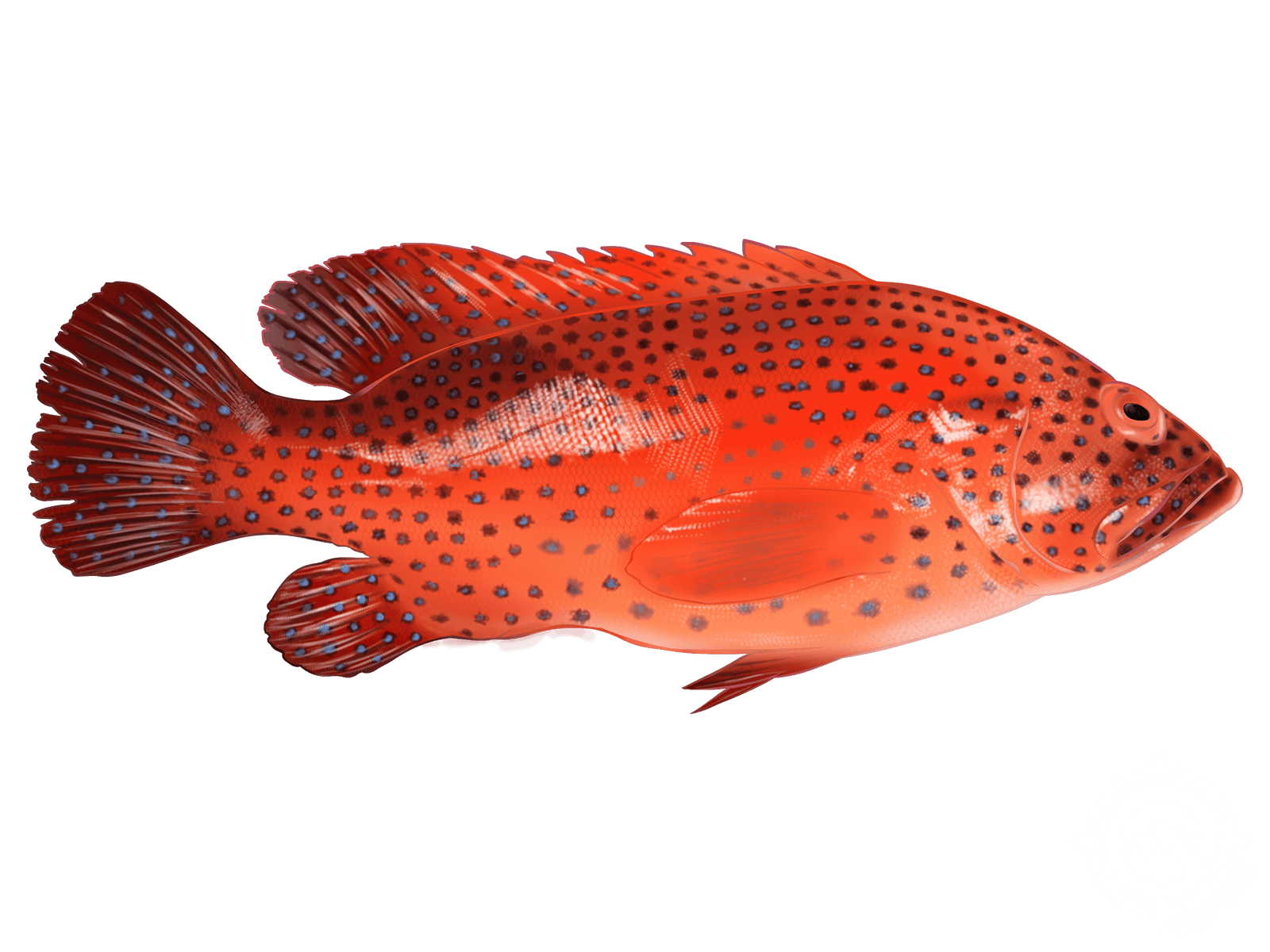
Red Grouper
Red grouper are the workhorses of offshore bottom fishing - rusty red color makes them easy to spot, and they're always ready to eat. These fish average 5-10 pounds but can reach 50+, with thick, muscular bodies built for the bottom. They live on rocky and muddy bottoms from 16-300+ feet, often mixed in with other reef fish. Year-round fishing is good, but spring and fall are prime when they're feeding heaviest. Guests love red grouper because they're aggressive strikers and one of the best eating fish in the ocean - firm, flaky meat with a slightly sweet taste. They're tough fighters that'll test your drag. My advice: use fresh cut bait like squid or crab, and don't be afraid to go heavy on the weight. They're down there waiting, so get your bait to the bottom quickly.
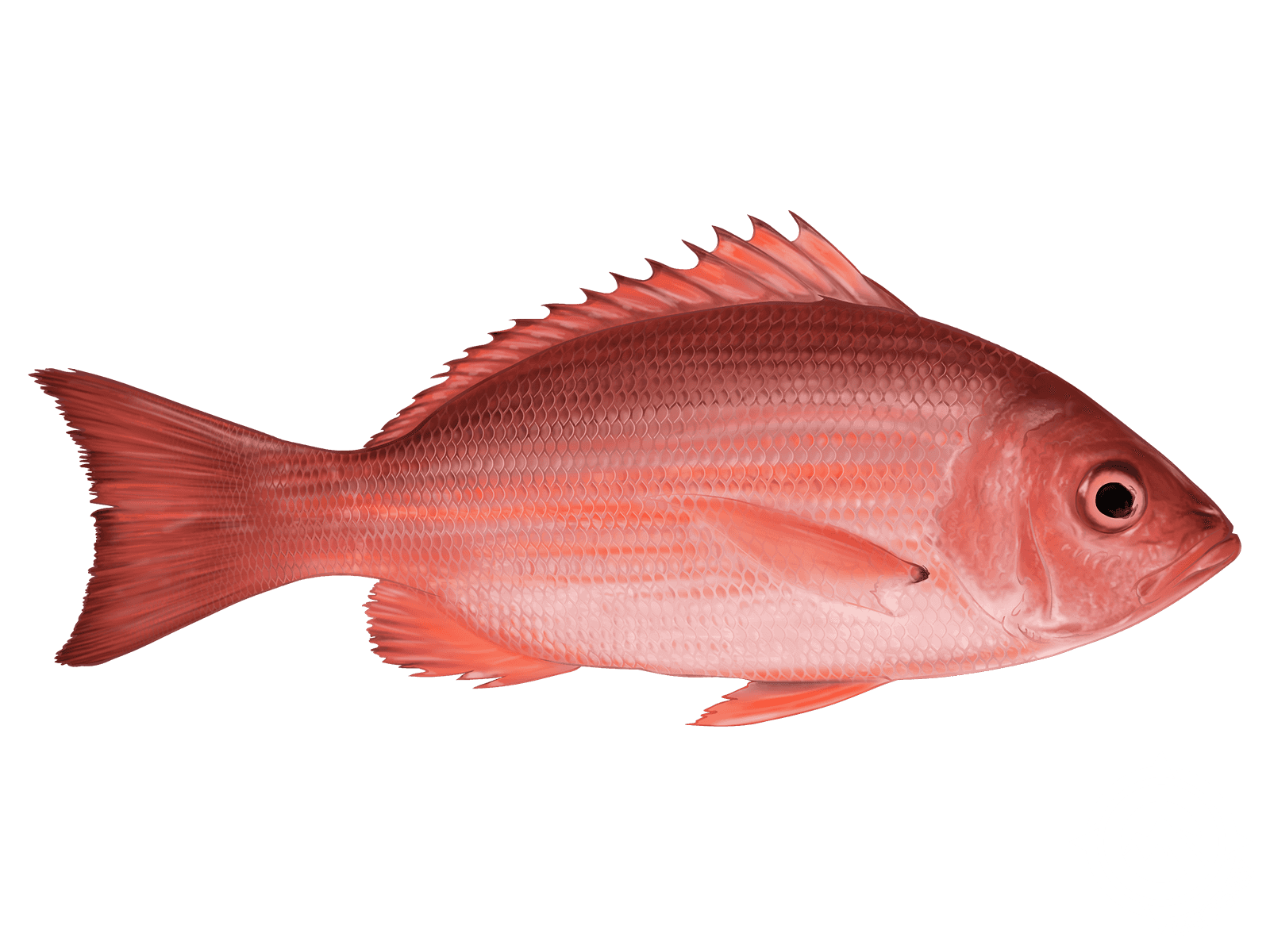
Red Snapper
Red snapper are the prize of bottom fishing - these bright red beauties average 1-2 feet but can push 35 pounds or more. They hang around hard bottom structure, reefs, and wrecks in 30-300+ feet of water, with the bigger fish typically in deeper spots. Summer months are best when they're most active and feeding heavily. What guests love about snapper is the solid fight they put up - they'll try to get back to the rocks and break you off. The meat is outstanding too, with that sweet, nutty flavor that makes them restaurant favorites. Here's the key: once you hook one, keep your drag locked and don't give them any slack. They're smart fish that know exactly where to run to cut your line on the structure.
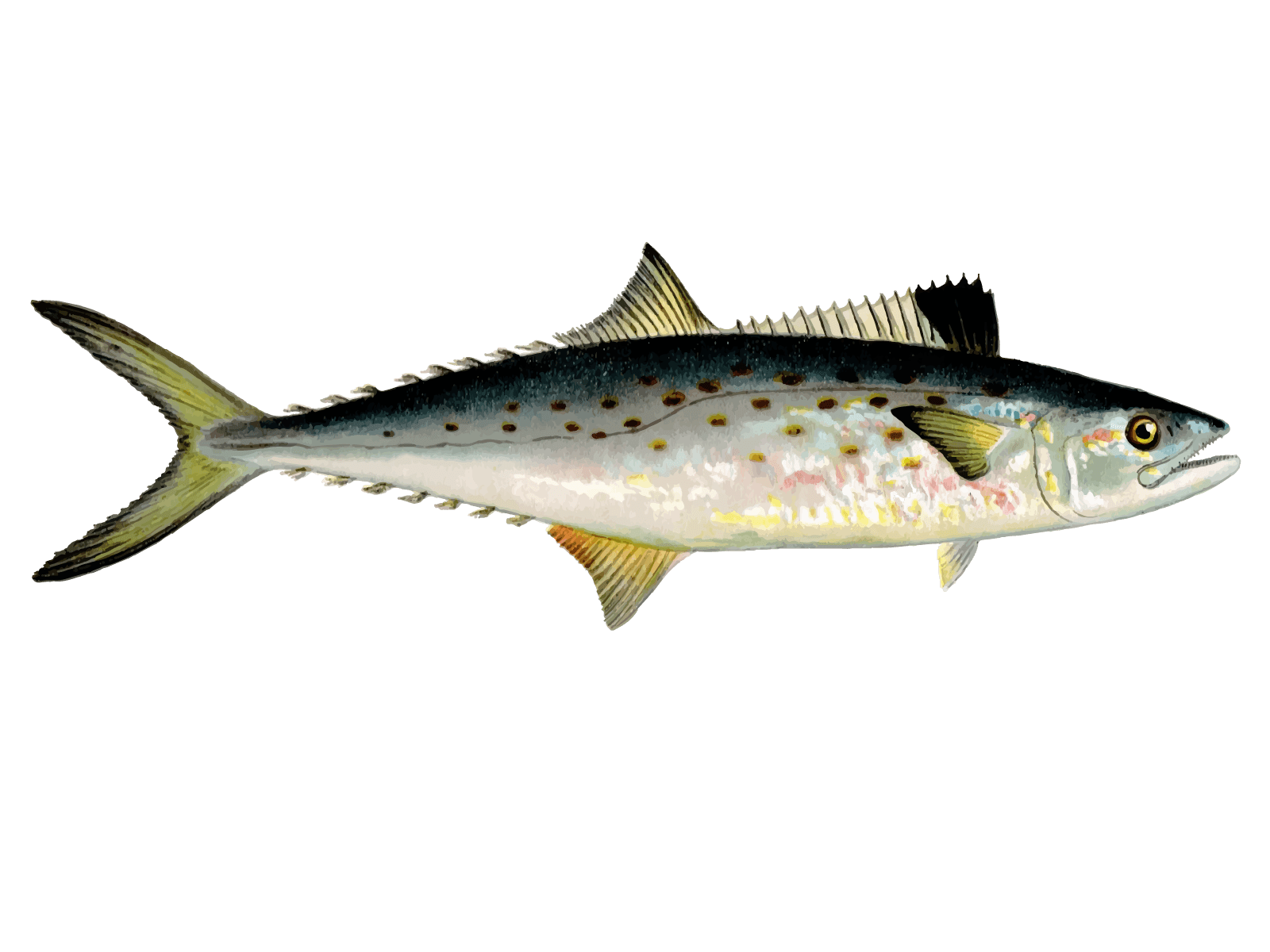
Spanish Mackerel
Spanish mackerel are perfect for getting the action started - these silver speedsters with their distinctive yellow spots hit fast and fight hard. They typically run 1-2 feet and 8-11 pounds, traveling in large schools near the surface. You'll find them along the coast in warmer months, especially around structure, drop-offs, and temperature breaks. They're one of the fastest fish out there, so when they hit your trolled bait, you know it instantly. Guests love them because they bend rods consistently and make excellent table fare - mild, flaky meat that's great grilled or blackened. Pro tip: when we're trolling for them, I use small spoons or jigs and keep the boat moving. Once you find a school, mark the spot because they'll often circle back through the same area.
About the Sure Shot

Vehicle Guest Capacity: 6
Manufacturer Name: Cummins 5.9 Turbo 6BTA
Maximum Cruising Speed: 20
Number of Engines: 2
Horsepower per Engine: 330